
Architectural Sequences
Use planned camera movement and animation to present architecture, spaces, amenities or key project features through a connected visual sequence.
Static images show individual views, but animation can communicate movement, sequence and atmosphere. archVi creates planned 3D animation that brings architectural ideas and project spaces into motion.
 VISUAL STORIES / REAL ESTATE
Animation adds movement to architectural visualisation, helping audiences understand how a project looks, connects and unfolds over time. archVi develops the visual sequence around the project objective, approved information and intended audience.
Use planned camera movement and animation to present architecture, spaces, amenities or key project features through a connected visual sequence.
Bring buildings, landscapes, amenities and surrounding environments into motion to communicate the wider project and its visual character.
Animate proposed interiors to show spatial relationships, materials, lighting and atmosphere through movement rather than individual still views.
Focus movement and visual attention on specific architectural elements, amenities or project features that need greater emphasis.
Plan camera movement, framing, transitions and key moments around what the audience needs to understand from the animation.
A strong animation is built around a clear visual purpose. archVi defines the sequence, camera movement, key moments and visual direction before detailed animation and rendering begin.
Define the audience, communication objective, spaces or features to show, intended duration and required output formats.
Decide what appears, when it appears and how different views or moments connect within the animation.
Establish movement, framing, transitions and focal moments that support the intended visual story.
Define materials, lighting, atmosphere, composition and level of detail before production progresses.
Receive approved drawings, 3D models, material references, design information and other project inputs required for production.
Define the animation objective, sequence, camera movement, duration, output formats and review stages.
Prepare required 3D elements, environments, materials and lighting, then animate the agreed sequence.
Produce the animation according to the approved visual direction, technical specifications and agreed production scope.
Review the work at defined stages and incorporate approved feedback while keeping changes aligned with the agreed direction.
Complete agreed editing, sound or finishing requirements and deliver the final animation in the specified formats.
The engagement should establish what needs to be animated, what the client supplies and which production requirements are included in the agreed scope.
Approved drawings, models, material references, design information and other source assets required for production.
Agreed sequence, camera movement, duration, transitions and key moments.
Required modelling, environments, materials, lighting, animation and rendering based on the agreed visual direction.
Editing, music, optional voiceover and other finishing requirements where included in scope.
Defined review stages, revision responsibilities, final duration, resolution and output formats.
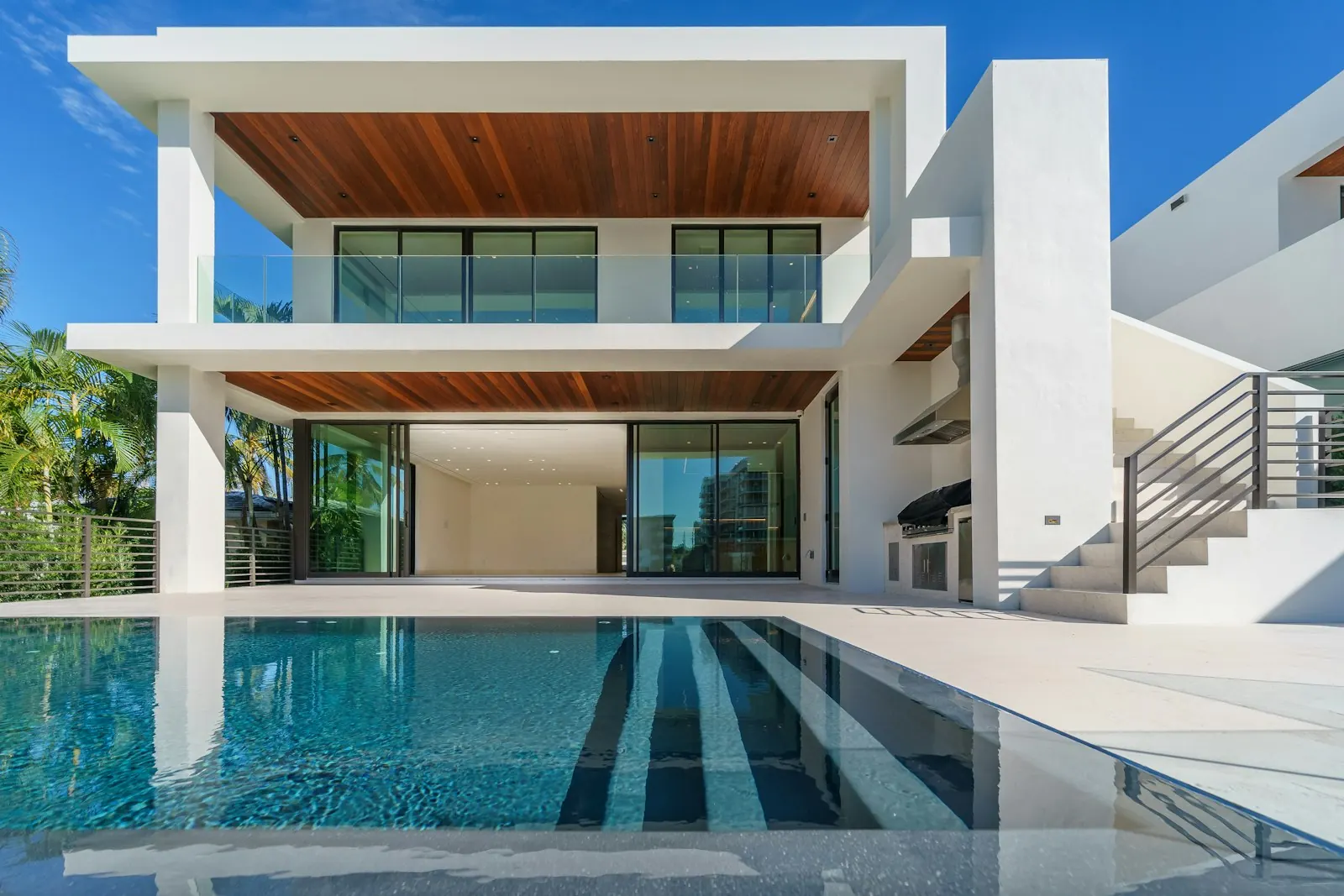
Reference imagery for design review.
Discover the formats, project contexts and creative capabilities behind the work.
Explore Our WorkDepending on the brief, the service can include animation planning, camera movement, 3D preparation, materials, lighting, animation, rendering and agreed post-production. The exact mix, duration, formats, review stages and required client inputs are defined during project scoping.
Animation is useful when movement, sequence or visual progression needs to be communicated. Still renders are better suited to focused views and individual details, while animation can connect multiple moments into a continuous visual story. The right format depends on the communication objective.
Typical inputs include approved drawings or 3D models, material references, design information, required spaces or features, visual direction and output requirements. The exact inputs depend on the animation scope, project stage and production requirements.
These are defined during briefing and pre-production. The team establishes the communication objective, sequence, camera approach, key moments, duration and output formats before detailed animation begins, allowing the production process to move through defined review stages.
Timeline and cost can depend on project complexity, model readiness, modelling requirements, number of scenes, animation duration, camera movement, visual detail, rendering requirements, post-production, output formats and review rounds. These factors are assessed during scoping.
Yes, where the supplied model and project information are suitable for the agreed production workflow. The model, references, required animation and output specifications are reviewed during briefing and scoping to determine what preparation or additional production is required.
Tell us about the project, what needs to move, the audience, required duration and timeline. We'll help define the right 3D animation scope and production approach.